Back
Fixing Isn’t the Same as Healing
•
•
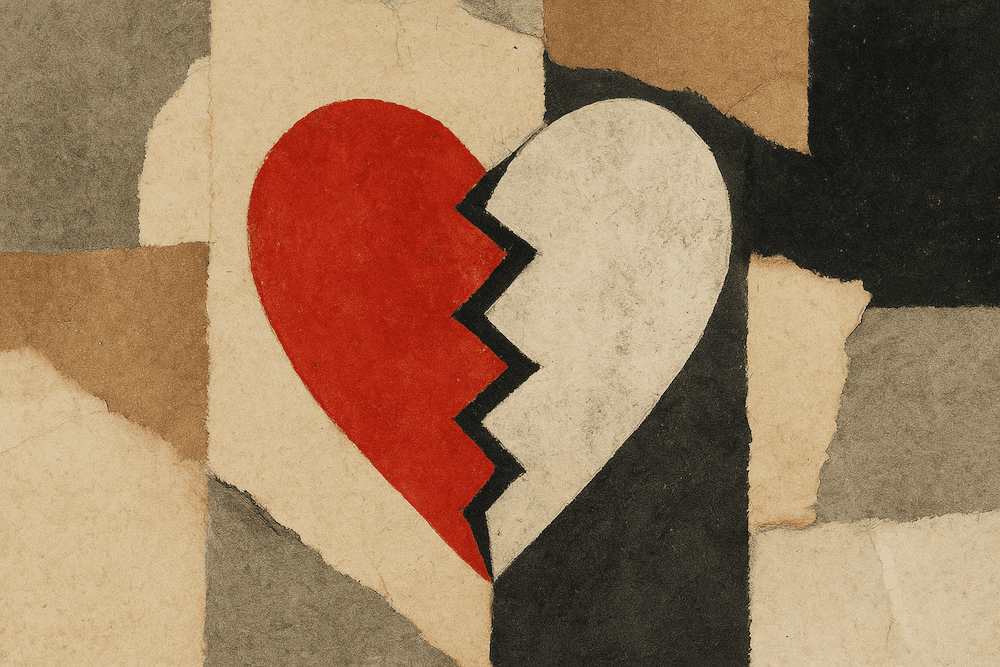
If I’m honest, most days I don’t actually want healing. Sure I want the pain to stop. I want things to make sense again. But most times, deep down, what I really want is relief, not redemption. I want fixing.
That's because fixing is faster. It’s easier to understand. It’s measurable. Healing on the other hand, doesn’t necessarily work that way. It’s slower, quieter, and far less predictable. It asks me to wait when I'm in a hurry, to trust when I'm in doubt, and to stay present when I’d rather just move on.
Fixing is about pain relief. Healing is about transformation. And that’s what makes it so hard to choose.
I’ve seen this in my own life more times than I can count. When things start to break down—my health, my relationships, my sense of control—my instinct is to reach for the fix. I want the solution, the closure, the lesson learned so I can get back to “normal” and keep moving. Probably because “moving” is a sure sign that things are better. Or at least that’s what I tell myself.
But I’m learning that fixing doesn’t always lead to freedom. Sometimes it just hides the wound long enough for us to forget it’s still there.
Healing, though, is a different kind of mercy. It doesn’t rush. It doesn’t smooth over the pain with explanations or quick relief. Healing sits with what’s raw. It lets the deeper work happen beneath the surface, where it hurts more but lasts longer.
I’ve seen it in my marriage too. There are moments where I wish things could just get better, where love could work like a quick patch instead of a process. But that’s not how real healing works. Sometimes love actually hurts more in the short term because it’s exposing what needs to be restored in the long run.
It’s painful to watch someone you love wrestle with their own wounds. Especially when you’d give anything to take the pain away. But real love doesn’t rescue people from the work that will set them free. Real love stays, quietly and faithfully, while God does what only He can do.
And that’s the paradox I keep coming back to. True healing often hurts more than the easy fix. It breaks open what’s been covered. It slows down what we wanted to hurry through. It feels like regression before it reveals growth.
It’s frustrating and vulnerable and often takes more than you think you can give. But it’s also where God does His best work.
Because God doesn’t fix people the way we wish He would. He doesn’t snap His fingers and make the pain disappear. He stays with us in it, patiently and persistently, until something inside of us changes. Until the wound becomes a place where grace can live.
Healing doesn’t always look like progress. Sometimes it looks like waiting. Sometimes it looks like tears that don’t have explanations yet. Sometimes it looks like love staying when leaving would be easier.
C. S. Lewis once wrote about how we grow disappointed when life doesn’t get easier after turning to Jesus. We think the hard parts should be over by now. But as he puts it, “God is forcing us on, or up, to a higher level… putting us into situations where we will have to be very much braver, or more patient, or more loving, than we ever dreamed of being before.”
And then he ends with this line that stops me every time:
“It seems to us all unnecessary; but that is because we have not yet had the slightest notion of the tremendous thing He means to make of us.”
That line names what I’ve felt but haven’t known how to say. So much of healing feels unnecessary. Unfair. Even cruel. But if Lewis is right, maybe what feels unnecessary is exactly where God is shaping us into something we can’t see yet.
I don’t have it figured out. I’m still somewhere in that tension, between wanting the fix and learning to trust the longer work of healing.
Fixing removes the pain.
Healing redeems it.
And most days, I’m just trying to stay in that process.
Become a member of The Vineyard
Through monthly support, members make space for reflection, honesty, and the slow work of formation that Voice & Vine was created to nurture. Learn more
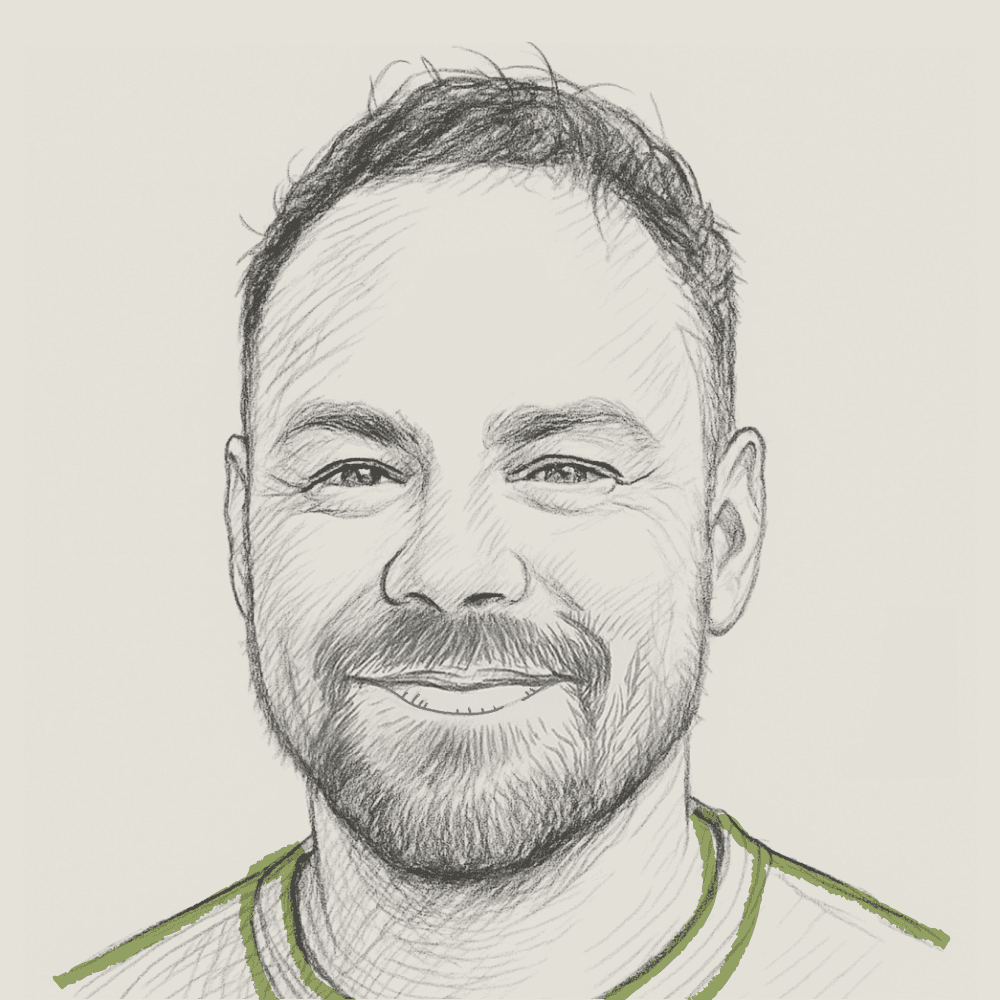
Ronnie lives in McKinney, TX with his wife Dannie and their two daughters. He runs a creative agency called GoodFolks, helping brands and organizations tell stories that matter. Alongside his work there, he co-created Voice & Vine as a way to explore faith, creativity, and healing through honest conversation and reflection. His journey has been shaped by a love for building meaningful things—both in business and in life—and by a growing desire to slow down and return to what’s true. Whether leading creative teams or sharing life around the table, Ronnie continues to learn what it means to live from a place of faith, humility, and hope.
Other writings