Back
Whole Food Faith
•
•
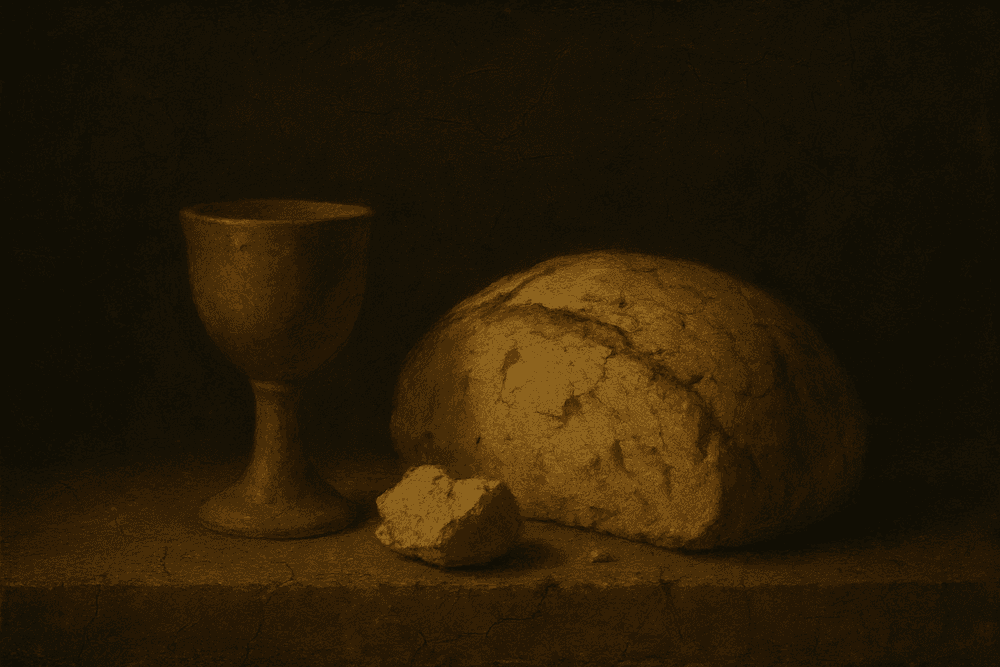
There’s been a lot of talk lately about what we eat. Between the rise of ultra-processed foods and this whole “Make America Healthy Again” movement, people are waking up to how the modern diet, convenient, shelf-stable, and engineered to last, is quietly making us sick.
And I can’t help but think the same thing might be happening in the church.
We’ve gotten so good at packaging faith. It’s clean, predictable, and easy to consume. But sometimes it feels like the very things that make it convenient are the same things that make it less nourishing.
I don’t say that from the outside looking in. I’ve lived it. Heck, I’ve helped serve it. But lately, I’ve felt the hunger for something deeper, something that tastes like the real thing again.
A few years ago, I started learning what all this meant in my own body. When I got diagnosed with Type 1 diabetes, it honestly blindsided me. I thought I was doing fine! I wasn’t eating junk all the time, but looking back, I was definitely eating more processed stuff than I realized. Foods that looked healthy on the label but weren’t really doing my body any favors. (Shoutout to my fellow T1Ds out there trying to make sense of it all.)
Eventually, I went to see a holistic doctor who suggested I try something called the AIP diet, short for Autoimmune Protocol. It’s a stricter version of paleo designed to calm inflammation and reset the immune system. No grains, dairy, sugar, soy, legumes, seed oils, or processed foods of any kind. You know, all of the good stuff. Basically, if it comes in a package, you’re not eating it. It’s meat, vegetables, and a few fruits. That’s it.
At the time, I was on insulin every day. I didn’t think this would change much, but I decided to try it anyway. I committed to eight weeks. And what happened in that short time completely changed me.
My blood sugar stabilized. My energy came back. My mind felt clear. And by the end of those eight weeks, I was off insulin completely. I haven’t needed it since.
Food was healing me. Literally.
And it made me start to wonder if maybe the same thing could happen for the church body.
If the human body can get sick because of what it’s fed, could the same be true for the church? Have we been living off spiritual convenience foods, sermons and systems engineered to keep us comfortable, when what we need is the slow, whole-grain gospel that actually gives life?
Because here’s the truth: the gospel doesn’t need preservatives. It doesn’t need to be rebranded or sweetened to appeal to modern taste. It’s already enough. It’s already alive. It’s already whole.
And yet, we’ve learned how to process it. We’ve learned how to strip it down, make it lighter, and sell it easier. And over time, that kind of diet starts to show. We get spiritually tired, inflamed, and malnourished. We fill the room, but not the soul.
Maybe that’s why so many of us feel spiritually fatigued even when we’re still showing up to church. We’re eating, but we’re not being nourished. We’ve replaced the meal with a supplement.
To be clear, God’s will doesn’t depend on what we’re serving. He still moves through every imperfect sermon, every plastic-wrapped Sunday, every broken expression of His Church. He still heals and feeds His people.
But still, I can’t shake the feeling that we’re missing something. Maybe it’s time to sit back down at the table and eat slower. To rediscover a faith that’s not prepackaged but cultivated. Something you have to chew on. Something that takes time to prepare and time to digest.
Because I don’t want a longer shelf life.
I want something alive.
Something whole.
The kind of gospel that heals the body from within.
Become a member of The Vineyard
Through monthly support, members make space for reflection, honesty, and the slow work of formation that Voice & Vine was created to nurture. Learn more
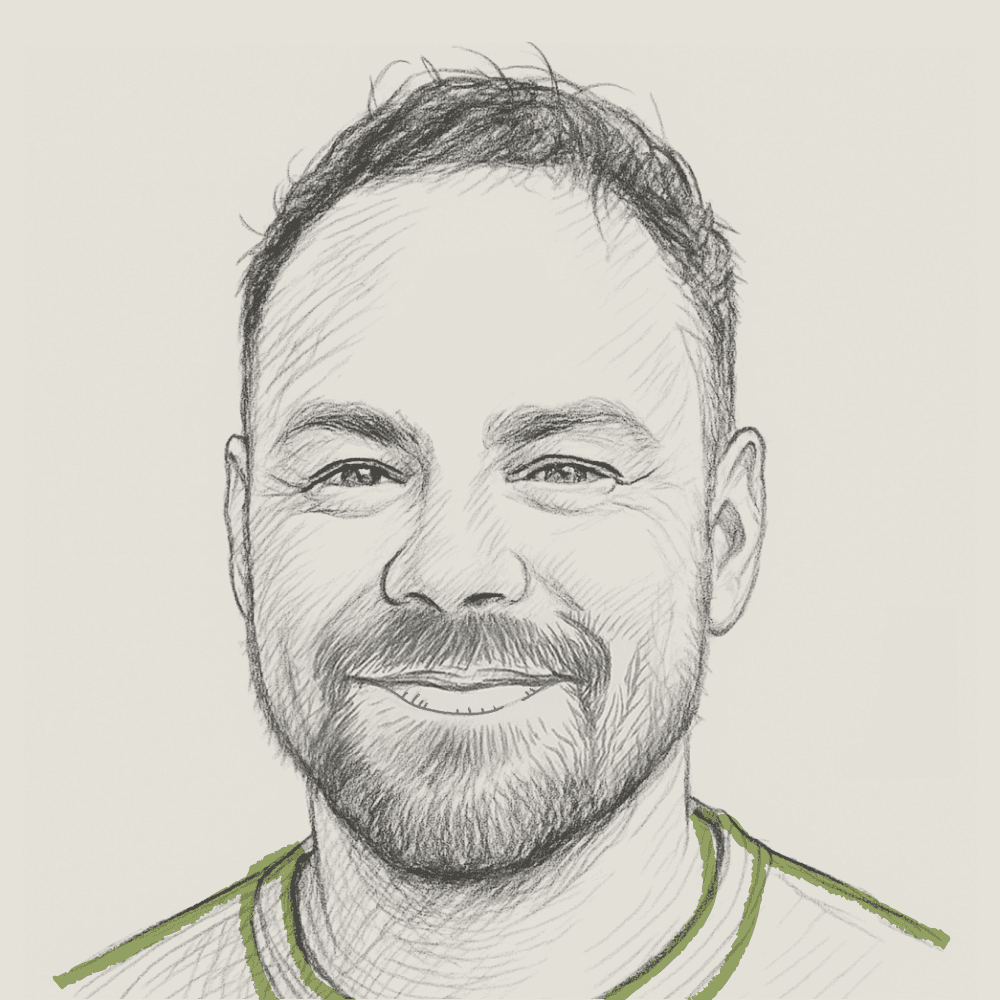
Ronnie lives in McKinney, TX with his wife Dannie and their two daughters. He runs a creative agency called GoodFolks, helping brands and organizations tell stories that matter. Alongside his work there, he co-created Voice & Vine as a way to explore faith, creativity, and healing through honest conversation and reflection. His journey has been shaped by a love for building meaningful things—both in business and in life—and by a growing desire to slow down and return to what’s true. Whether leading creative teams or sharing life around the table, Ronnie continues to learn what it means to live from a place of faith, humility, and hope.
Other writings